.jpg&w=1080&q=75)

Spatial Computing Meets AI: How Apple Vision and Agents Will Work Together

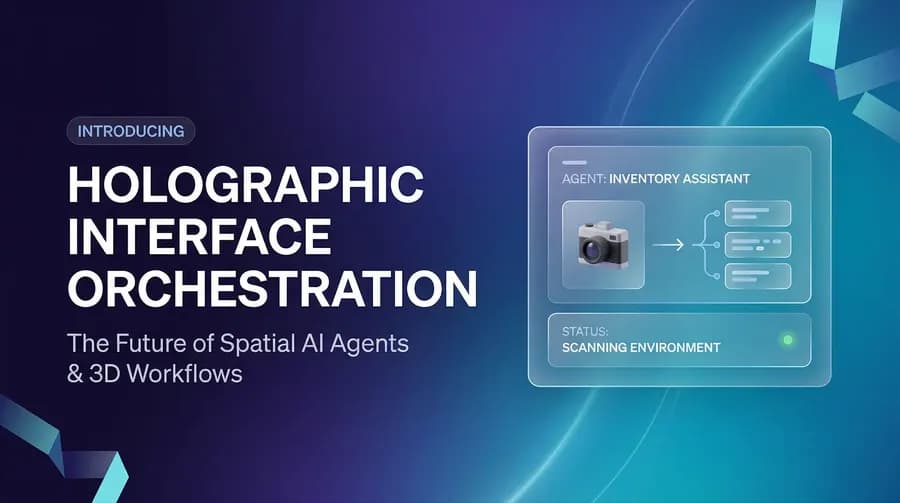
The era of 2D screen interactions is closing. As spatial computing devices like the Apple Vision Pro mature in 2026, the way we interface with software is radically transforming. But the true paradigm shift isnt just seeing apps floating in our living rooms—it is the integration of autonomous AI agents straight into our spatial environments.
Here is how Spatial AI agents Apple Vision integration will fundamentally rewrite human-computer interaction.
Beyond the Browser Window
Today, you trigger an n8n workflow by clicking a button on a web dashboard or submitting an Airtable form. You are anchored to a 2D interface.
In spatial computing, the environment itself becomes the trigger. Imagine looking at an empty desk in your office, pinching your fingers, and summoning a holographic dashboard. An AI agent is observing your gaze and hand gestures via the headset’s sensors. When you point at a physical document, a specialized agent could automatically scan it, extract key variables, and push them into an orchestration tool.
Holographic Interface Orchestration
This is the birth of holographic interface orchestration. You arent just moving files; you are directing agents with spatial awareness.
AR AI workflows will allow builders to map digital agents to physical spaces. An Inventory Agent could track stock levels simply by analyzing the headsets video feed in a warehouse. A Design Assistant could overlay generative 3D models onto your dining table while you issue voice commands to adjust the lighting and texture.
The Conductor in 3D
The skills required to manage these agents remain exactly the same as managing 2D agents. You still need an orchestration layer, an LLM brain, and API endpoints. The only difference is the UX layer.
The spatial computing future requires you to think less about clicks and more about context. Your competitive advantage lies in building agents that understand where the user is looking and what they are holding.
Conclusion: Preparing for the 3D Web
AI agents and spatial computing are on a collision course. Those who understand how to orchestrate autonomous workflows today will be the ones designing the immersive worlds of tomorrow.
Dont get left behind in 2D.Join the Zero to AI 90-Day Reskilling Workshopto prepare your skills for the spatial era.
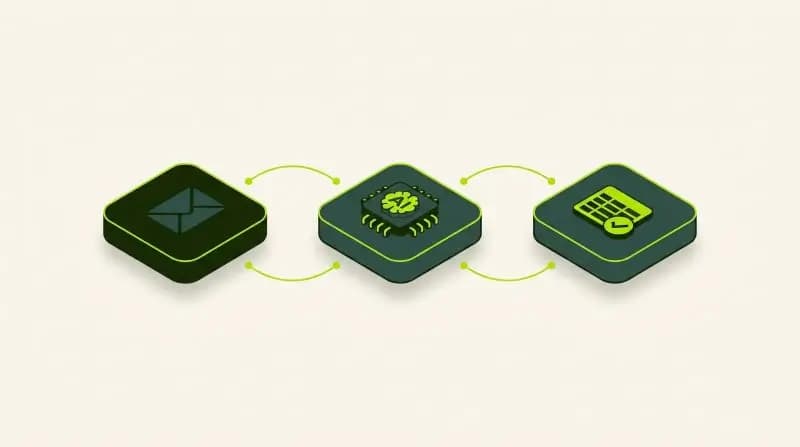
Learn to build AI workflows that handle your busywork — live sessions, real projects, zero code.
See the courseBeginner-friendly