.jpg&w=1080&q=75)

The Power of Graphic Design: Why Visual Identity Matters for Your Brand

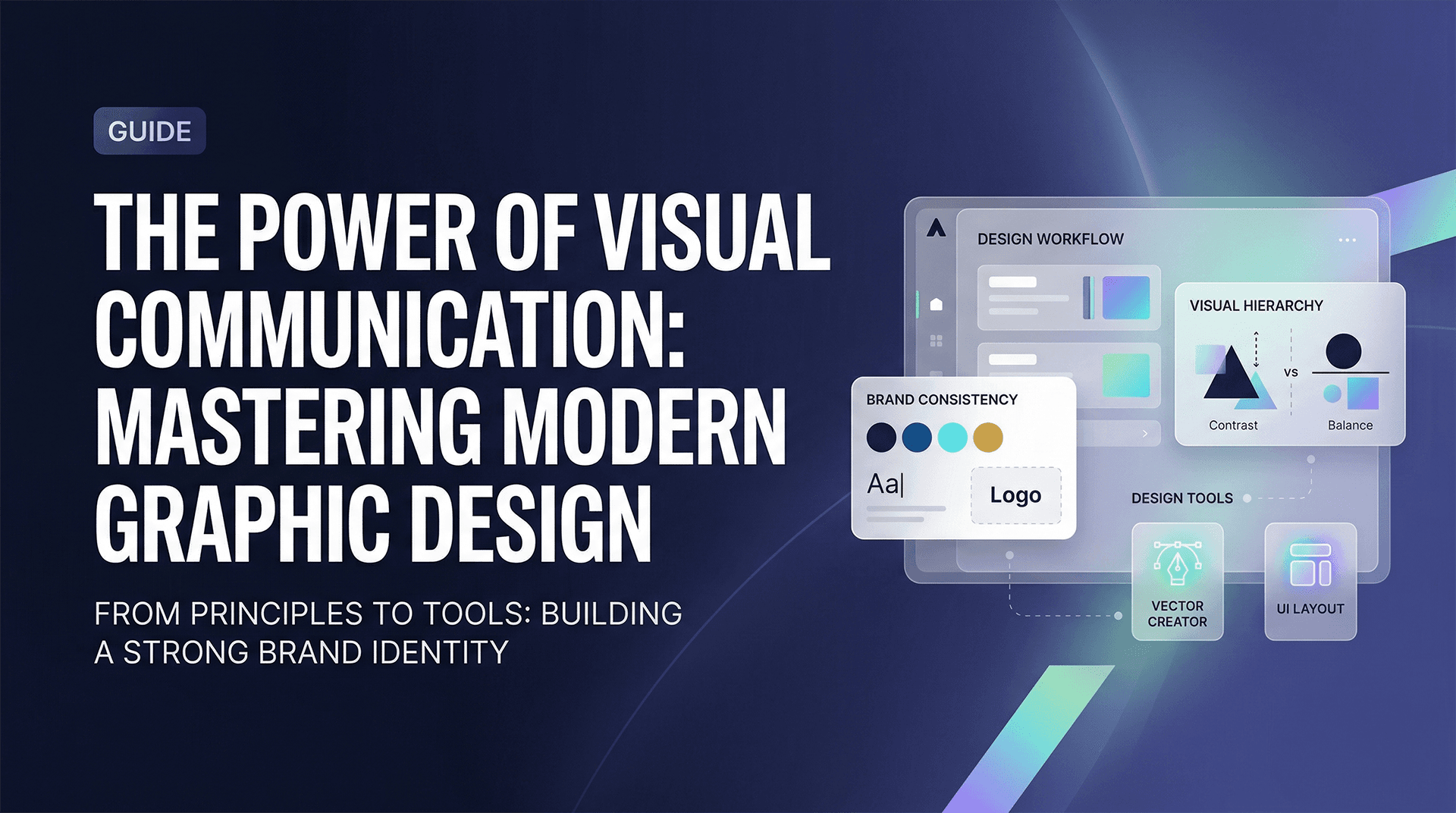
Graphic design is more than just making things look pretty — its the art of visual communication. From logos to social media posts, good design shapes how people perceive and interact with brands every day. In a world where attention spans are shrinking and competition is fierce, strong visual identity isnt optional — its essential.
What Is Graphic Design?
Graphic design is the practice of combining text, imagery, color, and layout to convey a message effectively. It spans a wide range of disciplines — from brand identity and print design to digital marketing, UI/UX, and motion graphics. Designers work across print, digital, motion, and environmental media to create experiences that communicate, engage, and inspire.
Why Graphic Design Matters for Brands
Great design is not just aesthetics — its a strategic business tool. Heres why it matters:
- First Impressions Count:Users form an opinion about a website in just 0.05 seconds. A well-designed interface can be the difference between a bounce and a conversion.
- Brand Consistency:Consistent use of colors, fonts, and visual elements builds brand recognition and can increase revenue by up to 23%.
- Builds Trust:Professional design signals credibility. Poor visuals can make even a great product look untrustworthy.
- Drives Conversions:Strategic use of color, whitespace, and hierarchy guides users toward taking action — whether its signing up, buying, or sharing.
Core Principles Every Designer Should Know
Whether youre a beginner or a seasoned pro, these five foundational principles underpin every great design:
- Balance– Distribute visual weight evenly to create harmony and structure.
- Contrast– Use differences in color, size, or shape to draw attention and improve readability.
- Alignment– Keep elements organized and visually connected to give the layout structure.
- Repetition– Repeat visual elements like colors and fonts to create consistency across designs.
- Proximity– Group related elements together to create clarity and reduce visual noise.
Popular Tools in Graphic Design
The right tool depends on the task. Here are the industry-standard applications every designer should know:
- Adobe Photoshop– Industry standard for photo editing and raster graphics.
- Adobe Illustrator– Best for vector artwork, logos, and illustrations.
- Figma– The go-to tool for UI/UX design and real-time collaboration.
- Canva– Great for quick, template-based designs for non-designers.
- Adobe InDesign– Perfect for layout-heavy print and digital publishing work.
Getting Started in Graphic Design
You dont need a degree to start designing. Online platforms like Coursera, YouTube, and Skillshare offer excellent beginner courses. Practice daily, study great designs, and build a portfolio — thats the fastest path to becoming a confident, capable designer.
Final Thoughts
Investing in quality graphic design is investing in your brands future. Whether youre a startup building your identity or an established business refreshing your look, good design tells your story better than words ever could. Start with the principles, master the tools, and let your visuals do the talking.
Learn to build AI workflows that handle your busywork — live sessions, real projects, zero code.
See the courseBeginner-friendly