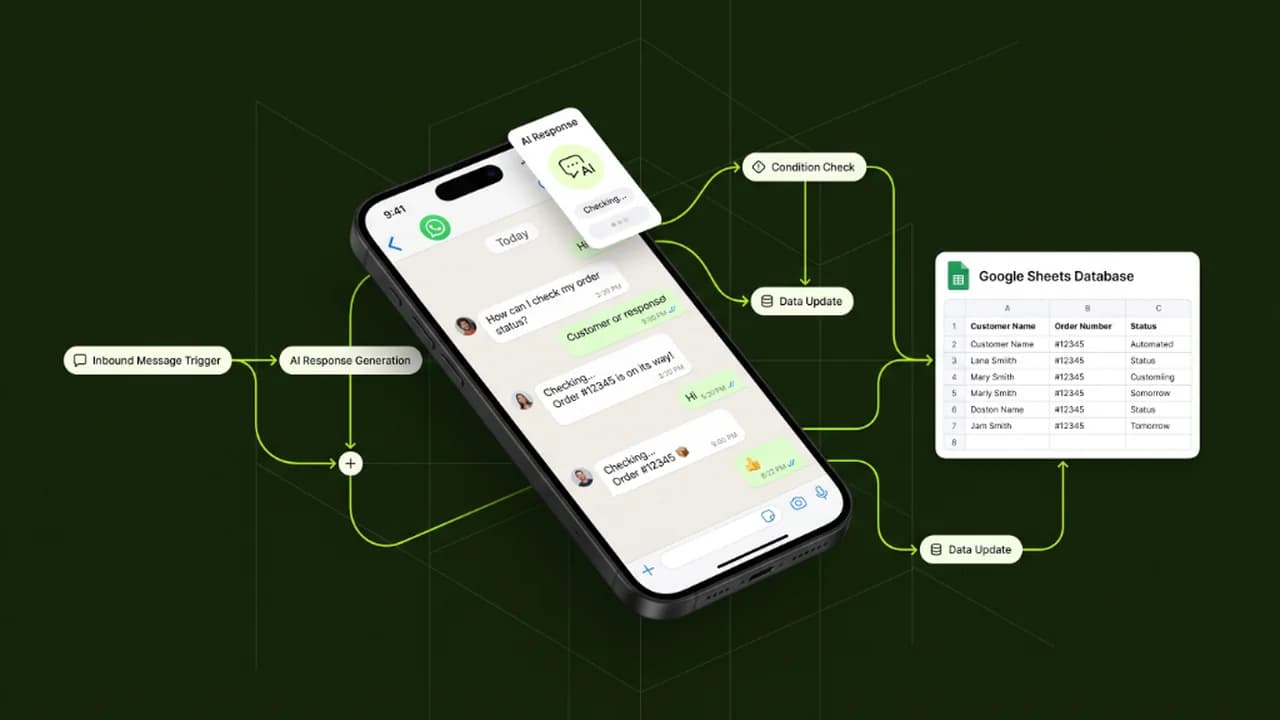
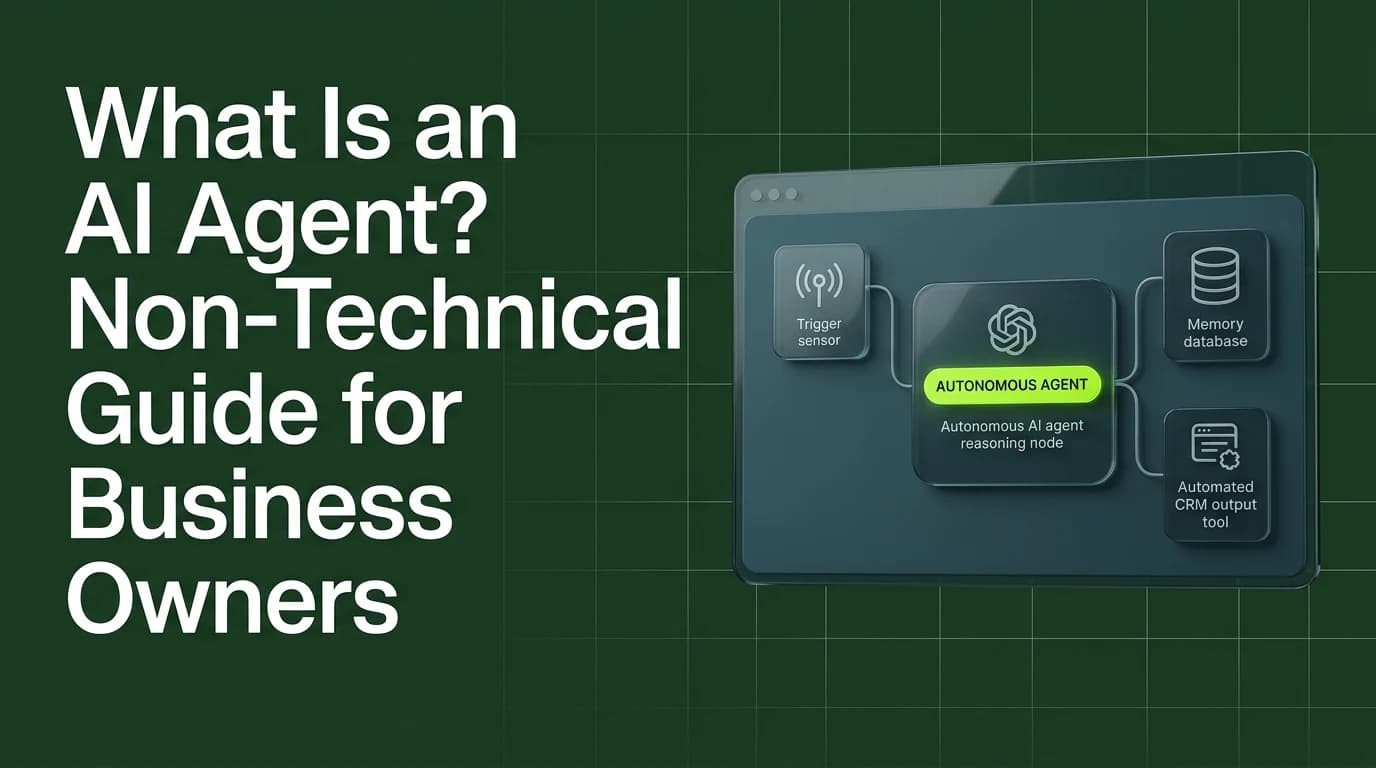
An agent is what you get when a language model is given tools, a loop, and permission to act. That sounds simple, and the demo usually is. What is not simple is everything that follows: deciding which tools to expose, how much autonomy to grant, what happens when a step fails halfway through, and how you know the thing is working at all once it is running against real data instead of a scripted example.
The posts collected here work through that gap. They cover the concrete pieces — tool and function definitions, retrieval, memory, planning loops, multi-agent handoffs, human-in-the-loop checkpoints — and the less glamorous work around them: writing evaluations that catch regressions, logging enough to debug a failed run, and setting boundaries so an agent cannot do more damage than the task warrants.
The bias throughout is toward things you can build and inspect. Where an idea only works in a slide deck, we say so. Where a simpler approach — a single well-designed prompt, a plain script, a queue — beats an agent, we say that too, because most production systems that look agentic are mostly ordinary software with a model in one or two places.
If you are starting out, read alongside the strategy and tech posts: agents fail more often on system design than on model choice.




Not sure which course fits your goals? Our team will review where you are, recommend the right path, and answer every question, so you start with total confidence.

.jpg&w=1080&q=75)
